
Come listen to our new in-wall Pendula speakers and meet us at the Australian HiFi show, 1-3 May 2026, Sydney
⋆
Come listen to our new in-wall Pendula speakers and meet us at the Australian HiFi show, 1-3 May 2026, Sydney ⋆

SpectraFlora
Rediscover meaning in music with our gorgeous, emotive Australian designed and made speakers
What makes us different: the SpectraFlora sound
Much is made in HiFi about reproducing music as the artist intended. Often that’s interpreted as technical excellence—a transparent listening experience that captures the technical details of recordings. To us, that represents a great misunderstanding of art.* What musicians really want to convey is not technical—they wish to convey meaning through emotion.
Overwhelmingly, the feedback we get from listeners is that our speakers sound “live,” which we take as a great compliment. However, our aim is not to simply create a live sound but one that is emotionally impactful. For people who feel what our speakers offer, the feedback is often that they’re the best speakers they’ve ever heard.
Our approach to R&D: optimising for emotional impact
At each step of development our goal is to invoke physiological emotional responses such as waves of chills. When tears of joy are shed during an optimisation step of many, many iterations, then we move onto optimising the next aspect of design until they’re shed again. That emotional impact can’t be predicted or optimised through measurements and data analysis.
We use twenty to thirty test tracks that we’ve heard hundreds of times. What’s incredible and surprising each time a design element comes together just right, is that the emotional response is just as great as if we hadn’t heard the track over and over while listening critically each time.
The importance of timing and dynamics
Dynamic sound, not frequency response, seems to correlate with emotional impact and, surprisingly, there is no objective measure of dynamic sound (although excessive power compression would clearly prevent dynamic sound).
Getting the time domain right seems to be necessary but not sufficient for emotional impact and we spend a lot of time getting time domain responses technically correct as a starting point. We pride ourselves on how well our speakers reproduce piano and it’s doubtful piano could be emotionally impactful without getting timing right across its large frequency range.
Vocal intelligibility is necessary for emotional impact and is a priority. Not just intelligibility, however, but how emotion is expressed through the subtlest inflections that can only be conveyed through high levels of detail and dynamics, again, across a large frequency range.
Frequency response is a secondary consideration
A flat frequency response is easy to achieve and is often our starting point for tuning crossovers, but we have not yet concluded with any prototype or final model that flat is best for emotional response. In fact, in reverberant rooms, where most speakers end up, a flat response sounds awful because of the exaggerated midrange from reflections. That’s not to say our speakers have garbage frequency responses—they don’t—our responses are nice and smooth. But they’re not flat. We prefer a dip in the midrange as explained below in comparison to other speakers in the high-end market.
Which products sound like SpectraFlora?
We have a tremendous amount of respect for the technologies developed by JBL and use their 4430 studio monitors in our reference system. Additionally, we use several technologies they developed for which the patents have expired. We use a reference system to keep us honest by avoiding a self-fulfilling, unconscious bias for our own sound. Winemakers call that “cellar pallet” and it comes from drinking only their own wines.
Like JBL, we use waveguides for constant directivity to ensure reflections have the same timbre as directly perceived sound. The speakers that sound most like ours tonally are the JBL-adjacent Revel F328Be, although, of course, we find ours more dynamic and emotionally engaging.
Which products sound completely different?
Examples of speakers that sound nothing like ours include Bowers & Wilkins, whose midrange could strip paint, and Klipsch, whose sound we find noisy and muddled by cabinet vibration. Different people like different things, so if you absolutely love speakers from those manufactures, then SpectraFlora might not be for you.
Bowers & Wilkins aren’t alone in emphasizing the midrange. It’s common in HiFi speakers because it gives the impression of highly resolved detail, which is useful in an acoustically treated showroom. But it can sound unbalanced and be fatiguing, especially in reverberant rooms. For our speakers, what sounds best is a midrange dip, also known as a BBC or presence dip, which adds depth to the soundstage and can be enjoyed for hours at high levels without being fatiguing, even in reverberant rooms.
An example of speakers that sound different, but we enjoy, are Harbeths. Their rich sound is easy to listen to but their top end, produced by direct radiating tweeters, is nothing like ours. In general, direct radiating tweeters, especially those employed without a midrange, we find unengaging compared to waveguides or horns, although there are examples of two-way speakers with direct radiating tweeters that we like (e.g., the Vimberg Amea and the Serhan Swift mµ2).
What else besides emotional impact?
Clean bass. We haven’t made a simple bass reflex model and don’t plan to because bass reflex designs, the most common speaker design by far, frequently produce sloppy bass. That’s not to say it’s impossible to make a good sounding bass reflex speaker, it’s just that we prefer more accurate alternative technologies, often more difficult to implement, like horizontally opposed woofers (Celata 88), sealed cabinets (Aphelia 8), and transmission lines (Pendula 8 TL).
High SPL capability. Our speakers are capable of high SPL levels and were mostly tuned at ~85 dB at the listening position in a large room. That’s another reason we don’t use direct radiating tweeters—they lack the headroom of waveguide-loaded compression drivers and many are incapable of sounding dynamic at high levels.
For those who like lower listening levels, the Aphelia 8 was specifically designed for smaller rooms and excels at lower levels. Despite being the largest speaker in our range, the Pendula 8 TLs are also great at low levels and close listening positions.
Having the ability to play loudly does not mean our speakers can take irresponsibly extreme power without a woofer breaking. For example, the Aphelia 8 requires a high pass filter to go loud so that the woofer cone does not travel to the point of damage. The Pendula 8 TL can play a little louder without a high pass filter, but it is still a good idea at party-level SPL or with action movie soundtracks. The Celata 88 can play at high levels without a high pass filter—as high as anyone could reasonably want for domestic, indoor listening, but not blasting outdoors like a PA system.
Structural integrity and longevity
We use Hoop Pine plywood for all our cabinets because it is grown and processed in Australia and it’s much stiffer than the most common cabinet material, MDF. We don’t like lively cabinets and all ours are either strongly braced (Aphelia 8) or bracing is inherent in the functional design (Celata 88, Pendula 8 TL).
Our cabinets come with a lifetime warranty that reflects how long we’d like people to enjoy our speakers. Reflecting that again, our Celata 88s come with a treble boost switch specifically designed for people with age-related hearing loss.
We doubt you’ve ever experienced speakers like ours. Please have a look at the product pages and be sure to get in touch with any questions.

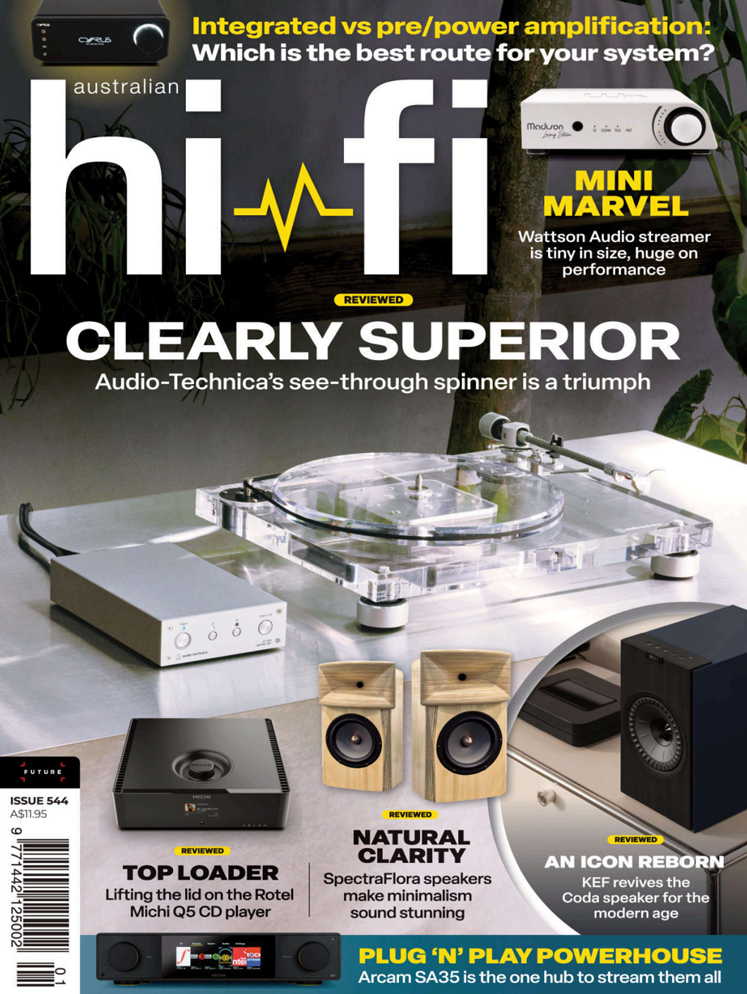
“It's an audiophile cliche, but the Celata 88 just gets out of the way so that you can enjoy the tunes. The detail and clarity are all there, but what truly impressed me was the coherence of the sound. It was full-bodied and grounded. It brought out the life force of the music. We talk a lot about EQ in audio, but in the case of the Celata 88, EQ could just as well stand for Emotional Quotient. It gets the sonic EQ right, but it scores very high on the measure of soul EQ, too. These are speakers for the heart, mind and ears.”
Engel Schmidl
Writer, Journalist and Music Lover

Our Product Range
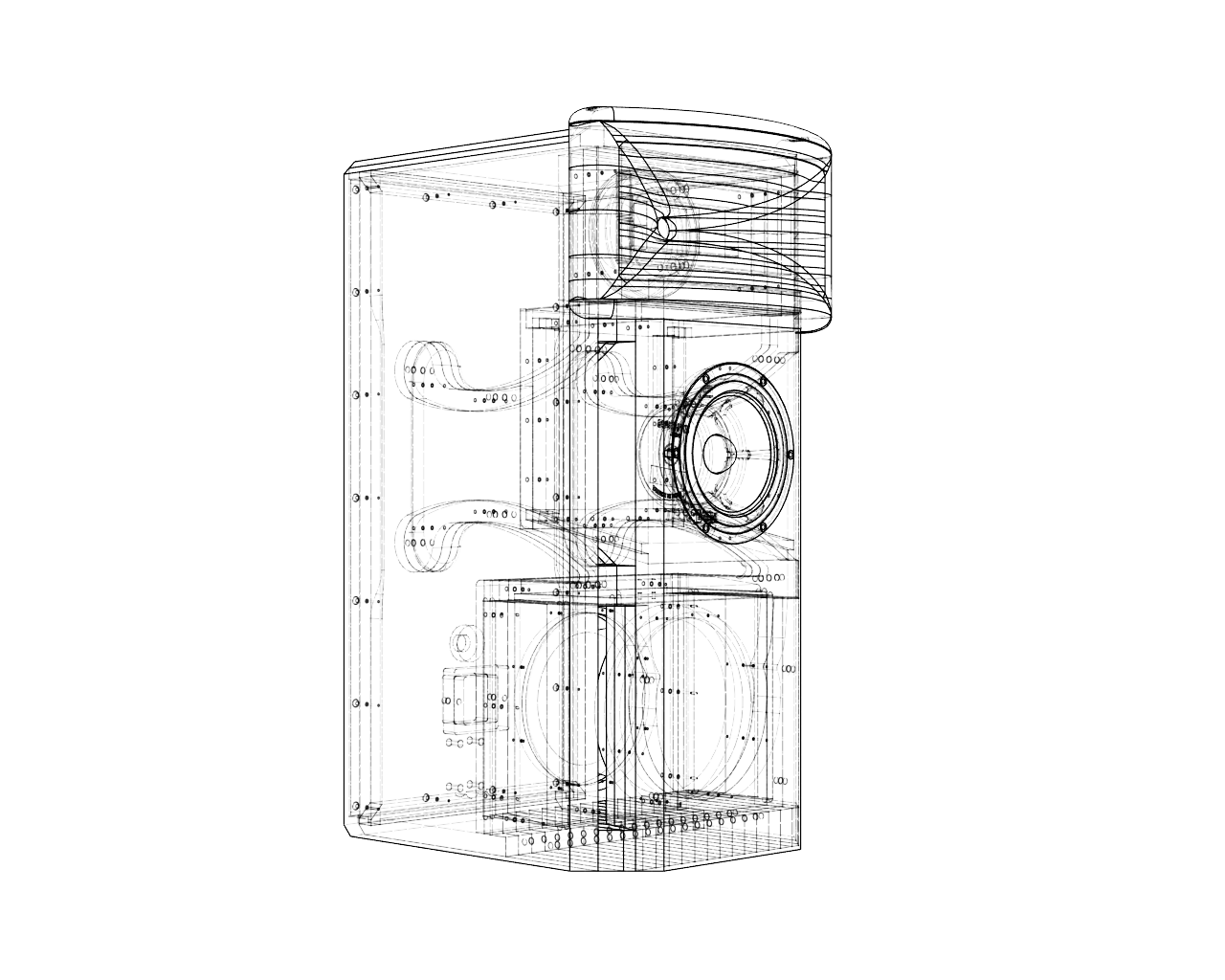
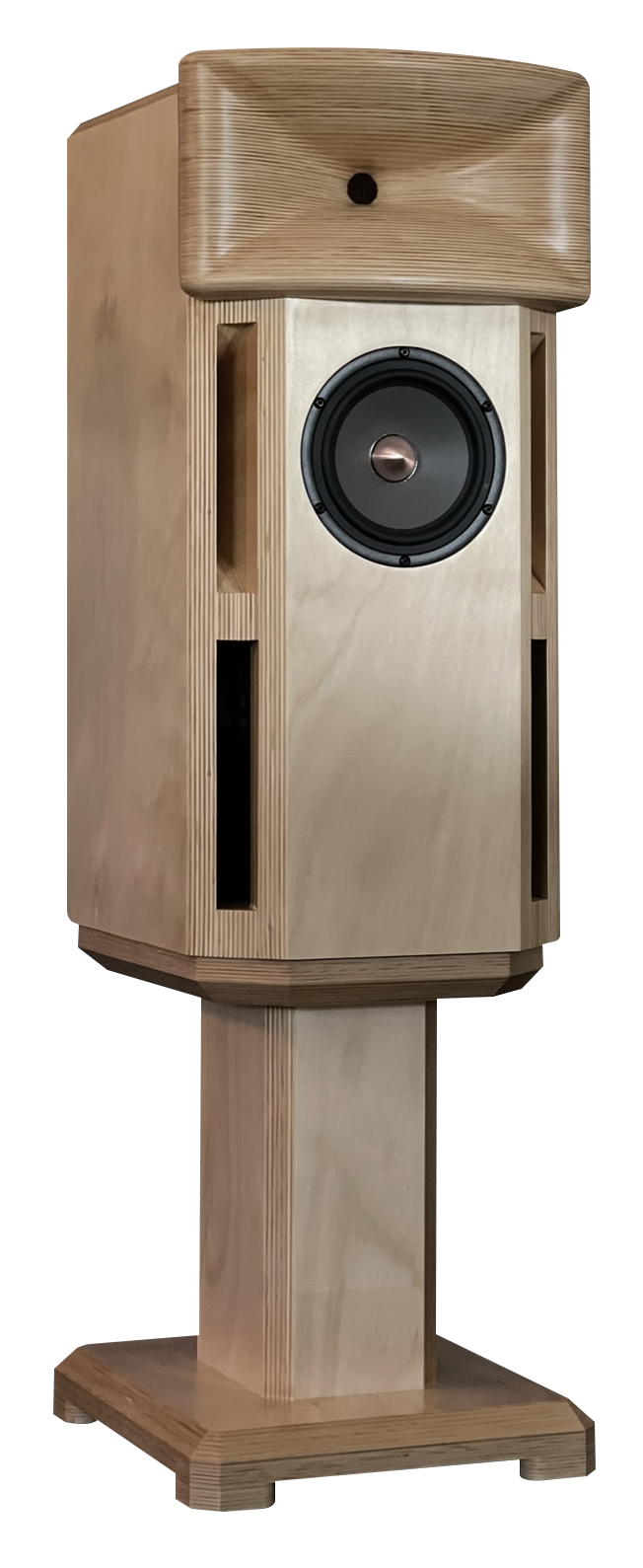
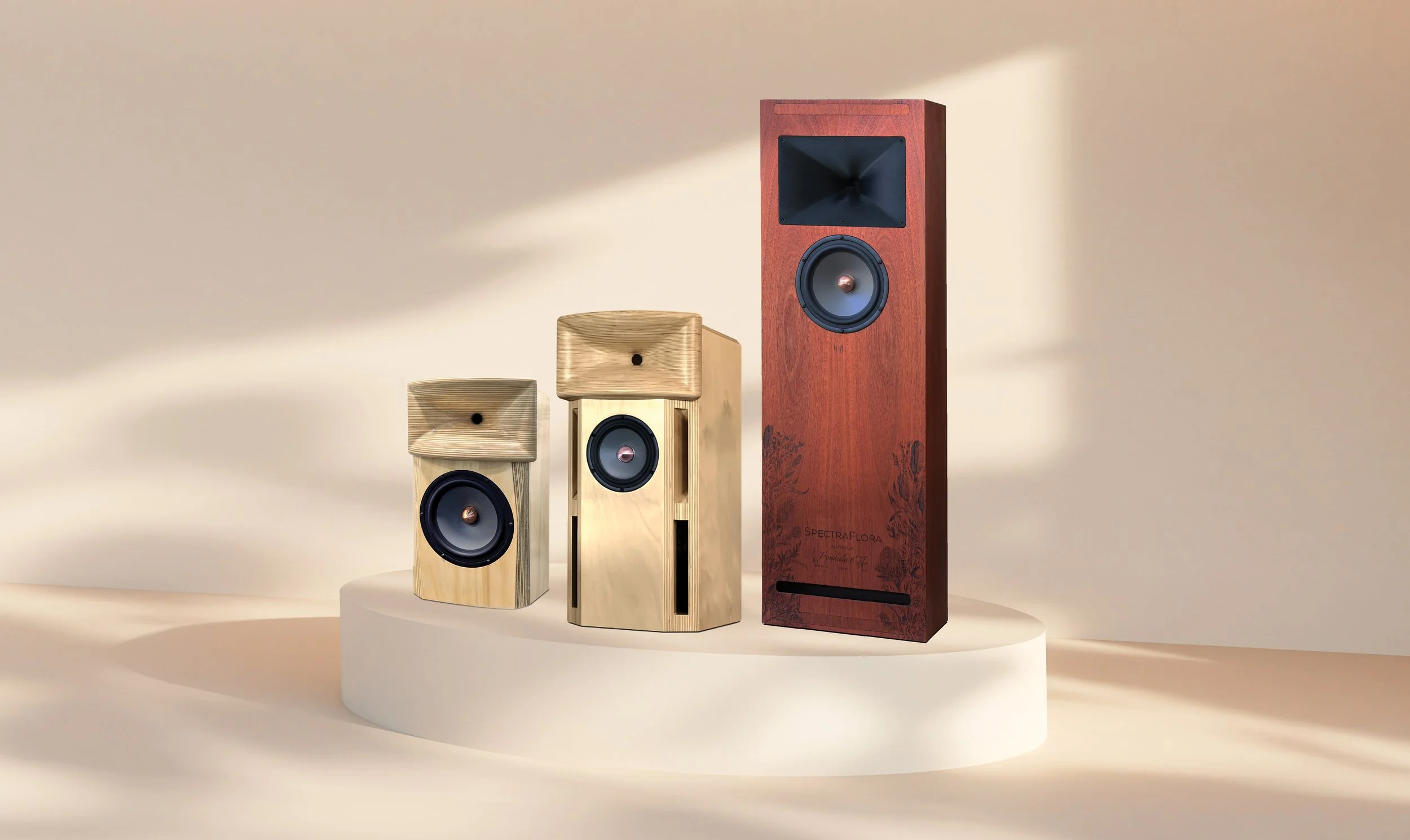
The Celata 88 is our flagship model and showcases our patent pending Dynamic Waveguide and Celata push-pull internal subwoofer system.
Our base model is made out of sustainable Australian grown Hoop Pine. Our custom models allow for colour and detail modifications dependent on recycled timber discoveries and your interior design preferences.
Prices start at AUD$35,000
The Aphelia 8 is the newest addition to our range. It leverages the same technology in the Dynamic Waveguide, but in a smaller form-factor.
As with the Celata 88 the Aphelia base model is made of sustainable Australian grown Hoop Pine, and a custom finish can also be developed in collaboration to meet your interior design needs.
Prices start at AUD$18,000

Our Custom Installation Range
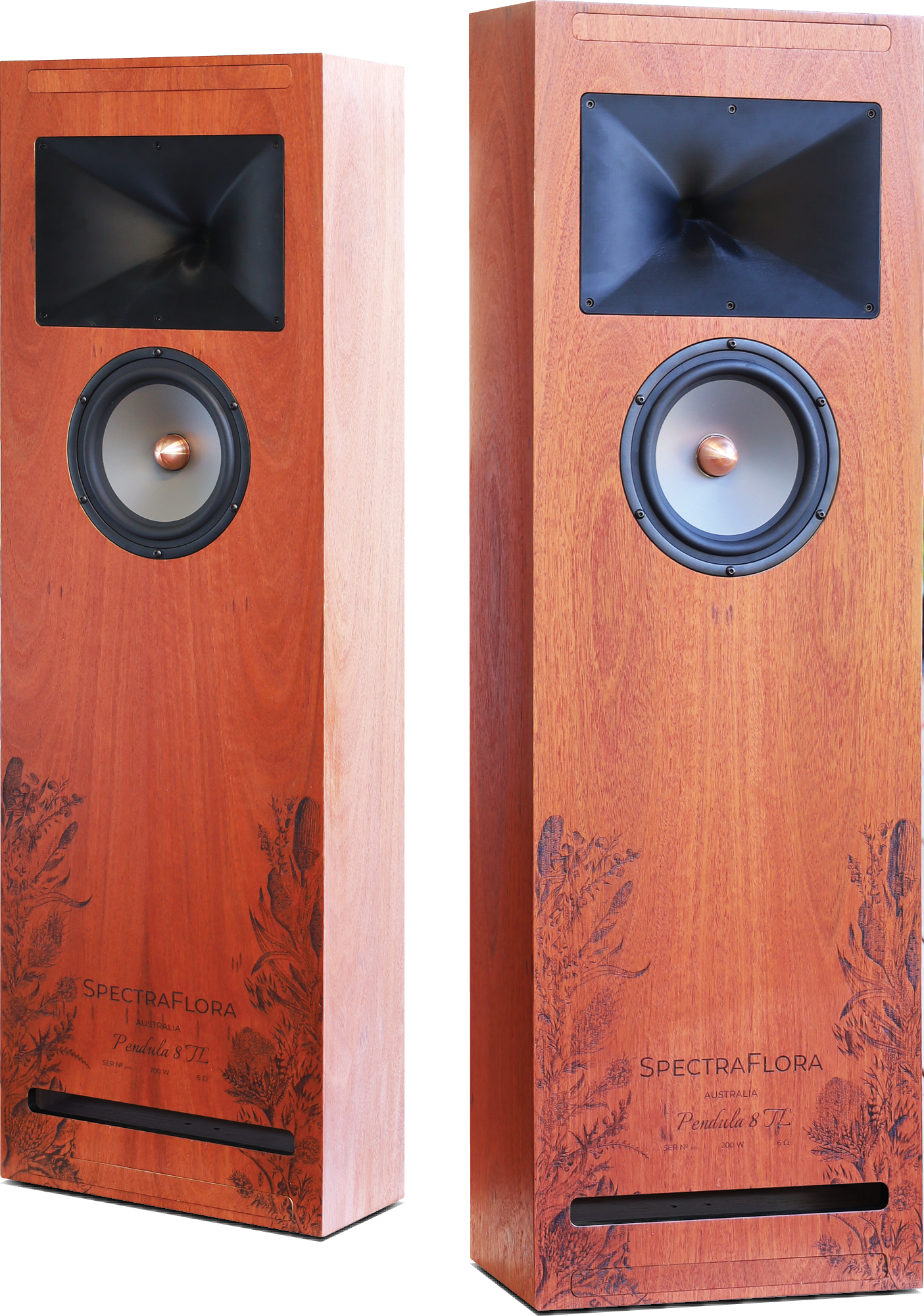
Our Pendula series of custom install loudspeakers contains the only high-end HiFi in-wall speakers made in Australia. Their sound follows on from our award-winning Celata 88s—emotive, life-like and designed for real rooms people live in. The Pendula 8 TL, the largest of the range, is the first of the series to be released. As with all SpectraFlora loudspeakers, custom timbers and finishes are available. The Pendula series also has magnetic mounts for optional cloth grilles.
Contact Us
If you would like to place an order, discuss a custom request, or if you would like to organise an in-home audition just fill out the form below and we will be in touch soon.